
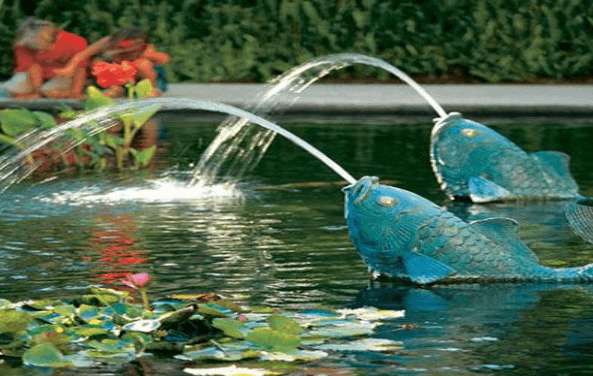
Raised ponds offer a refreshing way to introduce water into your garden landscape without the challenges that come with digging a traditional in-ground pond. They bring elevation, structure, and visual interest to your yard while making it easier to maintain and access for routine care. Unlike in-ground options, raised ponds sit above the surface, reducing the risk of debris accumulation and helping control pests. Their design is flexible, allowing you to integrate them into patios, decks, or standalone corners of your backyard. The reduced excavation also makes them a great choice for DIY enthusiasts or homeowners with uneven or rocky terrain.
To keep your raised pond clean and healthy, a reliable pond filter is essential. It plays a key role in maintaining water clarity, especially if you’re adding fish or aquatic plants. Whether your goal is to enjoy the relaxing sound of water or create a thriving habitat for pond life, raised water features—paired with a high-quality pond filter deliver versatility and aesthetic value in equal measure.
Define Your Pond’s Purpose and Personal Style
Before picking up a shovel or ordering materials, it’s important to clarify why you want a pond in the first place. This purpose will influence the size, design, layout, and equipment you’ll need.
Some homeowners seek a natural wildlife sanctuary, where birds, frogs, and insects can thrive. In this case, creating a habitat with diverse aquatic plants and a shallow edge is crucial. Others might be more interested in raising koi or goldfish, which requires careful attention to depth, water volume, and filtration. Alternatively, if your goal is to have a sleek and stylish water garden purely for visual enjoyment, design becomes your primary focus—emphasizing symmetry, minimalism, and possibly even lighting or fountains.
Once the purpose is clear, you can begin shaping the visual theme of your pond. Naturalistic designs often rely on materials like stone, railway sleepers, or aged wood to blend with garden foliage. On the other hand, modern approaches use timber, composite materials, or steel to craft clean lines and bold architectural features.
Your creative vision should also guide your decision on the shape. Circular ponds offer a softer, more organic presence, while rectangular or square forms suit structured gardens and contemporary outdoor designs.
Choosing the Ideal Location for Long-Term Success
Placement can make or break your pond’s impact and functionality. Ideally, your raised pond should be visible from areas where you relax or entertain guests. Think about lines of sight from patios, balconies, or indoor living spaces.
At the same time, the pond should be close enough to power sources for pumps and filters without making wiring a hassle. Avoid placing the pond directly under trees, as falling leaves and roots can complicate maintenance. Additionally, consider how sunlight affects the pond—at least four to six hours of sunlight is beneficial for most aquatic plants, but too much can lead to algae overgrowth.
Proper planning of location also means considering water drainage, soil stability, and elevation differences in your garden. The more level and dry the site, the easier the construction will be and the longer the pond structure will last.
Build a Strong Foundation and Frame
Constructing a raised pond starts with a well-prepared base. Begin by clearing the selected area of any vegetation, rocks, or loose soil. You’ll want to ensure the surface is as level as possible to prevent tilting or water imbalances later. Use a straight edge or a spirit level to double-check your work, especially if you’re working on a sloped or uneven lawn.
Once the site is prepared, the next step is building the pond frame. If you’re using railway sleepers, stack them securely to form the walls of your pond, connecting each corner with heavy-duty brackets or screws. The sleepers should align tightly to prevent any gaps that might weaken the structure or allow water to leak. If you prefer timber planks or decking boards, nail them into corner posts driven into the ground for stability. Always ensure that the walls are square and flush.
Leave the top layer of your frame unfinished at this stage. This allows you to install the pond liner more securely later, ensuring it’s clamped in place before the final timber capping is added.
Install the Liner and Add Water to Bring It to Life
After the frame is built, the pond liner installation marks a key transition from a construction zone to a functioning water feature. First, place a protective underlay inside the frame to shield the liner from punctures. Once in place, drape the liner over the underlay, pressing it into the corners and sides gently to minimize creases and folds.
The liner should extend a few inches beyond the pond walls so that it can be secured under the top layer of your timber or sleepers. Once the liner is properly arranged and all wrinkles are smoothed out, finish the frame by attaching the final layer of wood, which helps hold the liner firmly in place. Any excess material can be trimmed away neatly using a sharp utility knife.
Now it’s time to fill your pond with water. Use a garden hose to fill slowly while observing the liner for shifting or sagging. As the pond fills, you can make minor adjustments to ensure the liner settles naturally. Once full, allow the water to sit undisturbed for three to four days. This resting period is critical to allow chlorine to dissipate and the water temperature to stabilize before introducing fish or plants.
Add Life to Your Pond with Plants and Fish
Now that your pond is filled and stabilized, you can start introducing aquatic life. Begin with plants, as they play a key role in maintaining a balanced ecosystem. Use low-nutrient aquatic soil and choose a combination of marginal, floating, and submerged plants. Taller plants like irises should be positioned at the back of the pond for visual depth, while shorter varieties can be placed near the front or center.
If your goal includes keeping fish, make sure your filtration system is suited to your pond’s size and volume. A reliable filter helps remove waste, maintain clear water, and prevent harmful bacteria from harming your aquatic residents. Only introduce fish after confirming that the water chemistry—particularly pH and temperature—is stable and appropriate.
Choose fish species that are compatible with one another and suited for your climate. Overcrowding your pond with too many fish can lead to imbalances and stress for your aquatic pets.
Long-Term Pond Maintenance and Seasonal Care
Maintaining a raised pond requires ongoing attention to preserve its health and appearance. Regularly check your pond filter to ensure it’s running efficiently, and clean it as recommended by the manufacturer. Trim plants as needed to prevent overgrowth, and remove any debris that collects on the surface.
With seasonal changes, your pond may need different levels of care. In spring and summer, monitor algae growth and oxygen levels, especially during heatwaves. Autumn often brings falling leaves, which should be removed quickly to prevent decay in the water. During winter, some pond owners choose to partially drain their ponds or use pond heaters to protect fish and pumps from freezing temperatures.
Regular inspections—especially at the change of each season—will help you identify any structural issues, water quality problems, or plant health concerns before they become major problems.
Clearing Up Confusion
Can I build a raised pond myself, or should I hire a professional?
Yes, many homeowners build raised ponds as DIY projects. However, if you’re planning a large pond, adding complex water features, or integrating electricity, hiring a professional like That Pond Guy can ensure a safer and longer-lasting result.
What’s the best material for building raised pond walls?
Railway sleepers are one of the most durable and popular options for rustic looks, while treated timber and bricks offer versatility for modern or traditional styles. Choose based on your design preference, budget, and weather resistance.
Do I really need a filter system?
If you’re adding fish, a filter system is essential to keep water clean and healthy. Even decorative ponds benefit from filters, as they reduce algae and debris buildup.
How deep should a raised pond be for fish?
Ideally, fish ponds should be at least 18 to 24 inches deep to support aquatic life through temperature fluctuations and provide enough space for movement and growth.
Can I use tap water to fill my pond?
You can use tap water, but it must sit for three to four days to allow chlorine to dissipate. Alternatively, you can use a dechlorinator solution to treat the water immediately.
Reflecting on Your Raised Pond Journey
Building a raised pond is more than just a landscaping project—it’s the creation of a living ecosystem and a place of beauty, calm, and connection with nature. With careful planning, quality materials, and a bit of creativity, your dream water feature can enhance your outdoor space for years to come. Whether you’re drawn to rustic charm or modern minimalism, your pond will become a cherished part of your garden’s story.

